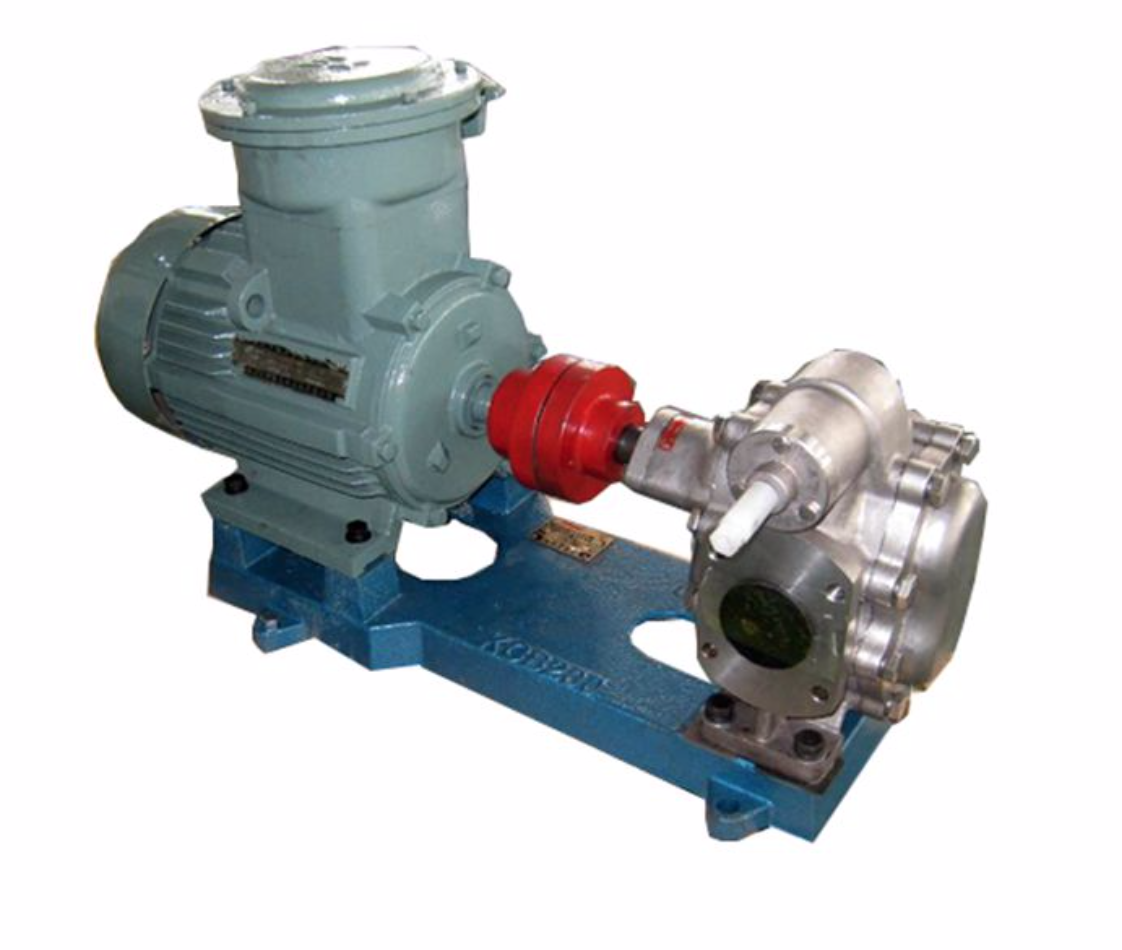
Oil gear pump

Oil gear pump

Description

  • Built to NIST Handbook 105-3 Standards, OIML R-120 and API Manual of Petroleum Measurement Chapter 4
  • Manufactured of Series 304 Stainless Steel, which resists ordinary rusting, can be easily cleaned, resists organic chemicals, no slag and requires no internal coating. 
  • Calibration By Standards Traceable to National Institute of Standards and Technology
  • Graduated Neck with scale that is sealed
  • Reinforcing bands to prevent distortion of prover when full with liquid and when being transported
  • Two spirit levels with seals are used as level indicators for provers more than 18” diameter, otherwise a circular bulls- eye level is installed.
  • Two Lifting Loops are attached to top band of prover
  • Standard capacities are available from 5 Liter to 10 Liter
  • All Stainless Steel Provers
  • Three Bolt down – Adjustable Crank Legs to level prover
  • Another cover is extended to protect the Gauge Glass from accidental breakage and can be secured with a lock for safety.
  • Sight flow indicator for observing fluid flow down- stream of the shut-off valve.
Type Portable
Size 5L - 10L
Material SS201/ 304/316
Ruler types Scale, vernier caliper
Package Carton

Specifications:

  • Ability to produce the high discharge pressure of 5000 psi.
  • Excellent control of the flow rate and volume. They are used as metering pumps.
  • Can also withstand the high-temperature conditions up to 700 deg-F.
  • Quiet in operation
  • Used to transfer high viscous fluids.
  • They are bi-rotational so the discharge end can be changed.

Type of pump – 

  • high flow rate and high-pressure conditions.
  • Internal gear pumps are used for low speed and low-pressure conditions. 


Flow rate – 

The amount of oil to be pumped in certain time. It is expressed in terms of volume per unit time and measured as Gallons per hour (GPH).

Viscosity –

Viscosity is the resistance to flow. The viscosity of the oil must be considered for the continuous and smooth operation. 

Lubricant type – 

Due to the mechanical motion in the pumps we must choose a suitable lubricant. Lubricants dissipate the heat formed and avoid the wear and tear problems. Lubricants must also possess suitable viscosity properties to flow easily over the gears. They should not contaminate the oil flowing through the pump.

Power – 

The amount of power required for the operation of the pump. Power is expressed in terms of Horse Power (HP). The pumps are powered by the various power sources such as electrical, hydraulic, and solar.

Material – 

We must also consider the gear, casing and other component materials that come in contact with the oil transferred. They must be resistant to the abrasion and corrosive properties of the transfer medium.